
Joburg isn’t a place as much as a shared hallucination
“They are trying to make Johannesburg respectable. They are trying to make snobs out of us, making us forget who our ancestors were. They are trying to make us lose our sense of pride in the fact that our forebears were a lot of roughnecks who knew nothing about culture and who came here to look for gold. We who are of Johannesburg know this spirit that is inside of us, and we don’t resent the efforts which are being made to put a collar and time on this city.”
—Herman Charles Bosman (1957)
In a city built on erasure and reinvention,
the past does not disappear.
It waits.
david-east-TCFhI8CtlrQ-unsplash.jpg
Copyright: The Collection of the Parliament of South Africa. Used with permission. Ref nos: 19532 (17): 24690 (91): 30816 (44): 36921 (55 & 106).
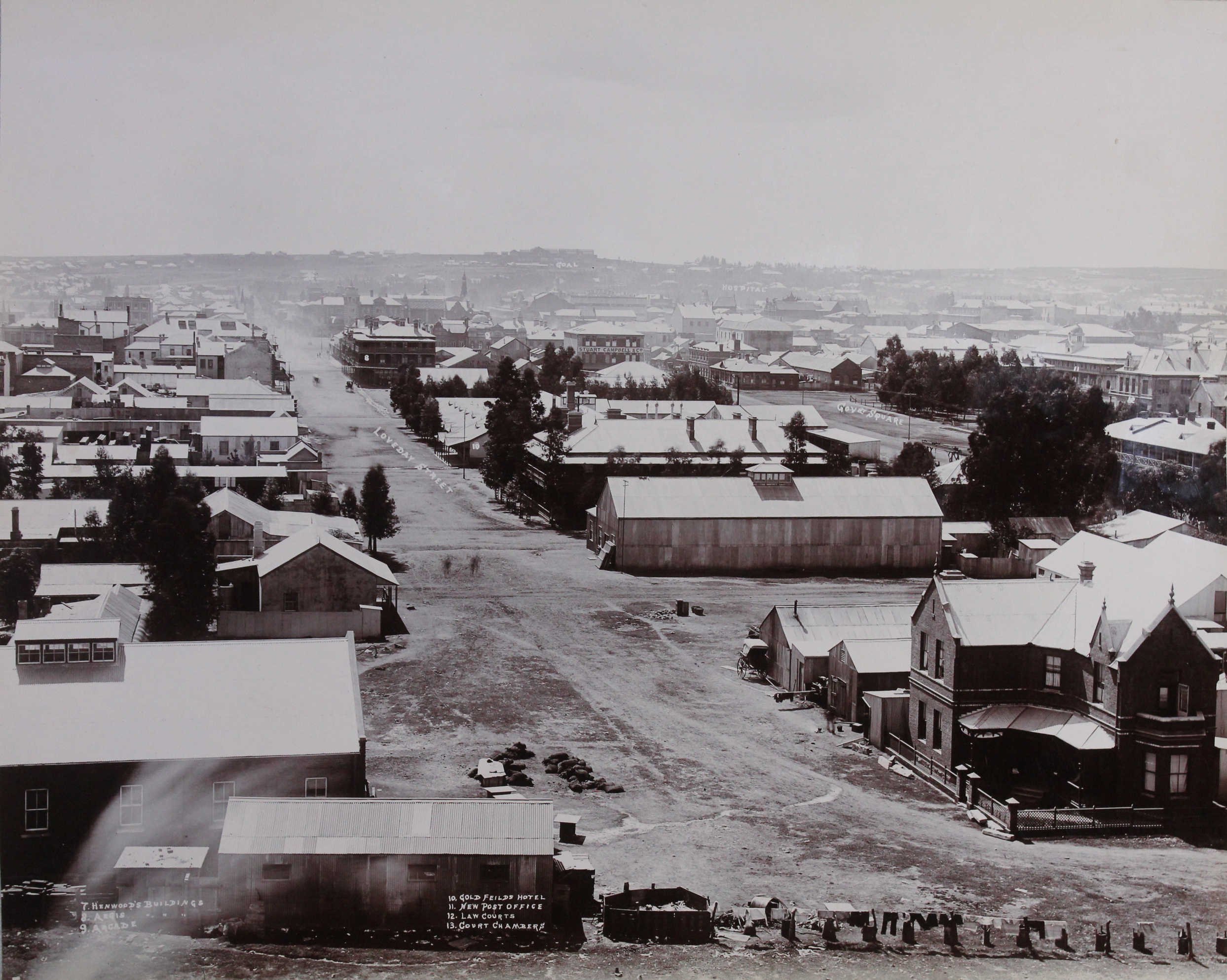
Copyright: The Collection of the Parliament of South Africa. Used with permission. Ref nos: 19532 (17): 24690 (91): 30816 (44): 36921 (55 & 106).
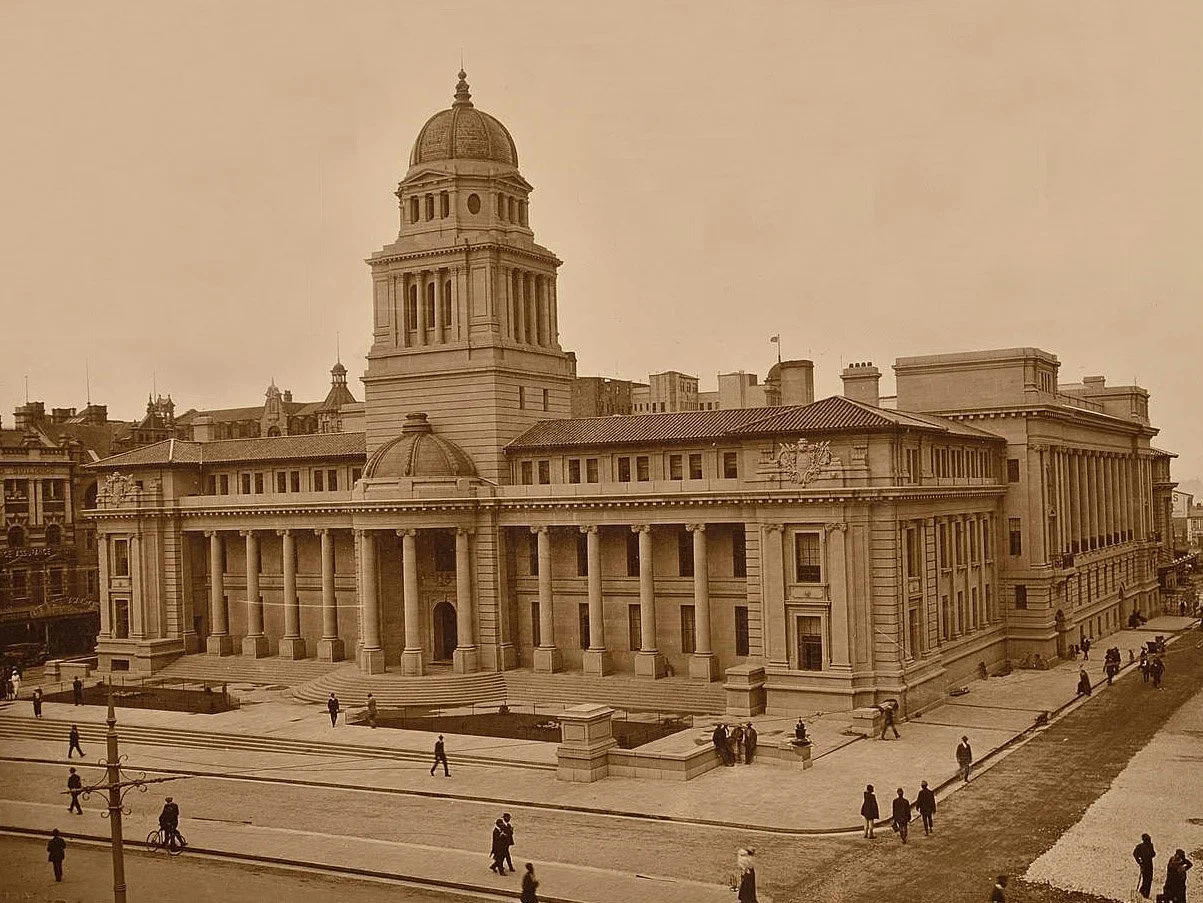
Copyright: The Collection of the Parliament of South Africa. Used with permission. Ref nos: 19532 (17): 24690 (91): 30816 (44): 36921 (55 & 106).
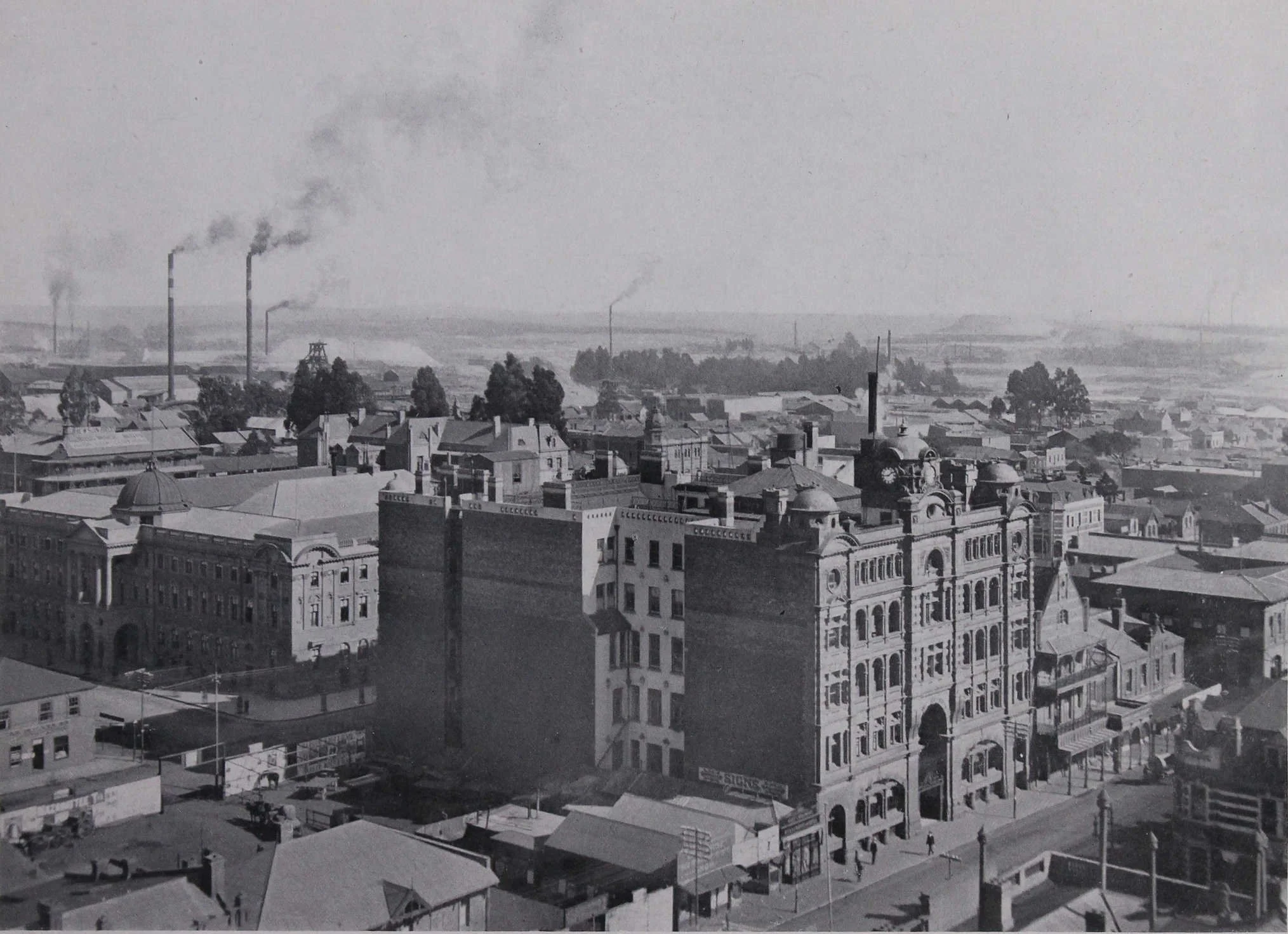
Copyright: The Collection of the Parliament of South Africa. Used with permission. Ref nos: 19532 (17): 24690 (91): 30816 (44): 36921 (55 & 106).
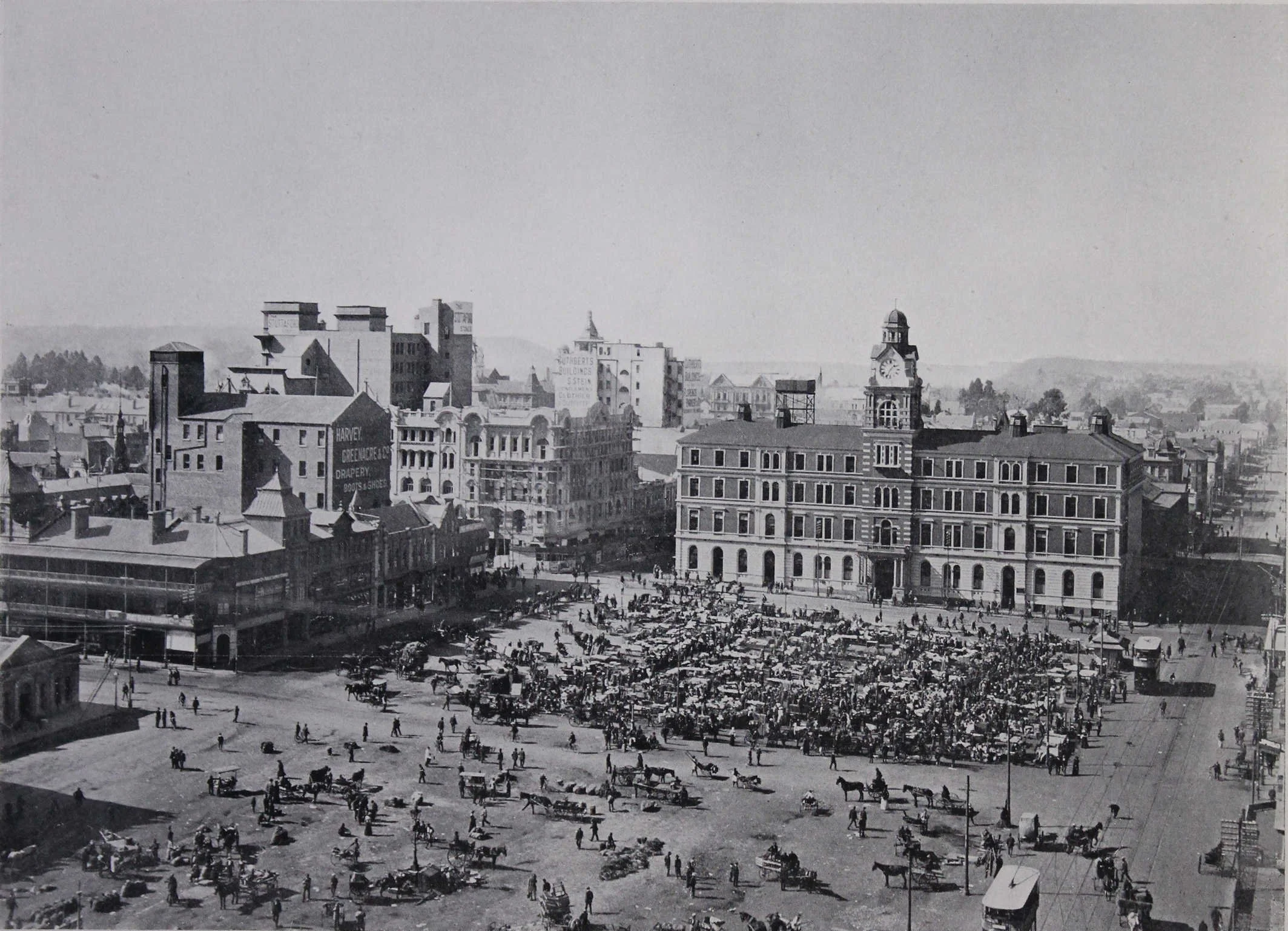
Copyright: The Collection of the Parliament of South Africa. Used with permission. Ref nos: 19532 (17): 24690 (91): 30816 (44): 36921 (55 & 106).
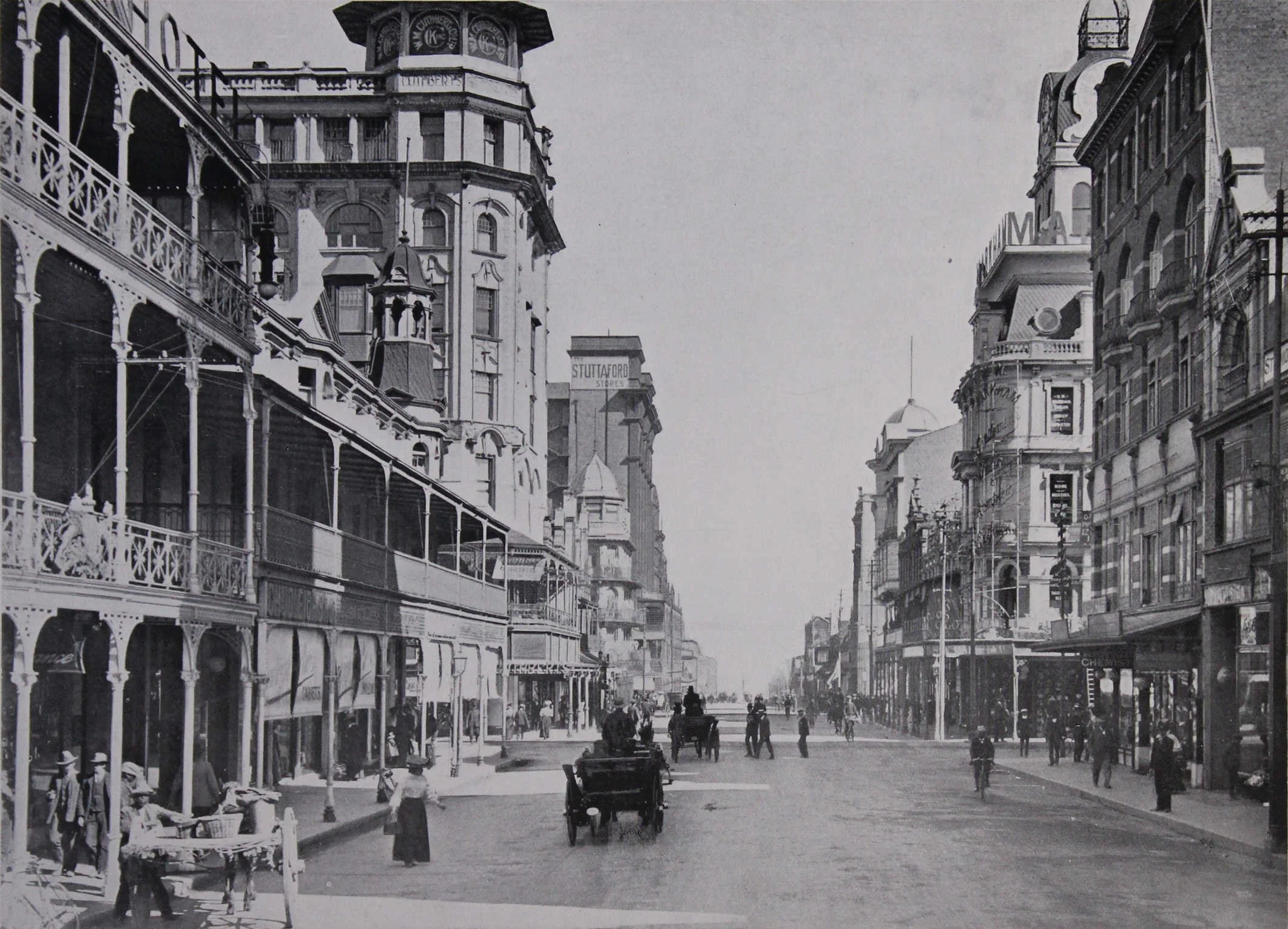
Copyright: The Collection of the Parliament of South Africa. Used with permission. Ref nos: 19532 (17): 24690 (91): 30816 (44): 36921 (55 & 106).
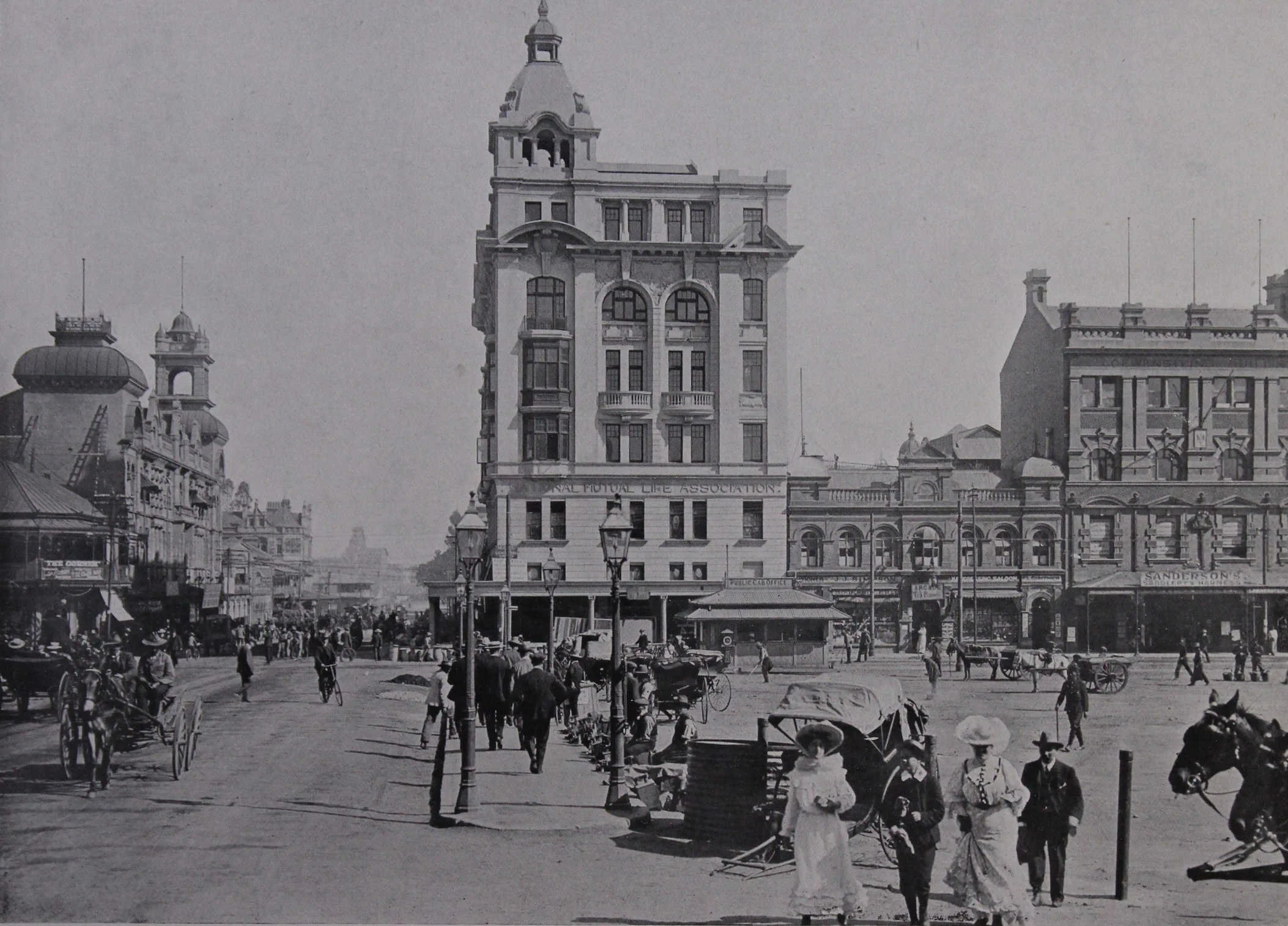
Copyright: The Collection of the Parliament of South Africa. Used with permission. Ref nos: 19532 (17): 24690 (91): 30816 (44): 36921 (55 & 106).
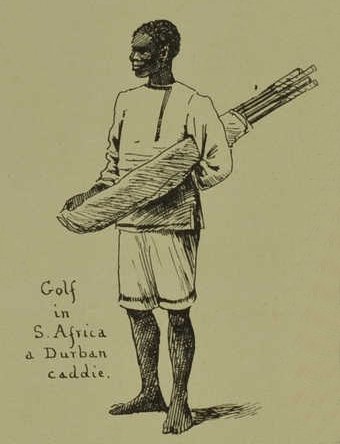
Copyright: The Collection of the Parliament of South Africa. Used with permission. Ref nos: 19532 (17): 24690 (91): 30816 (44): 36921 (55 & 106).
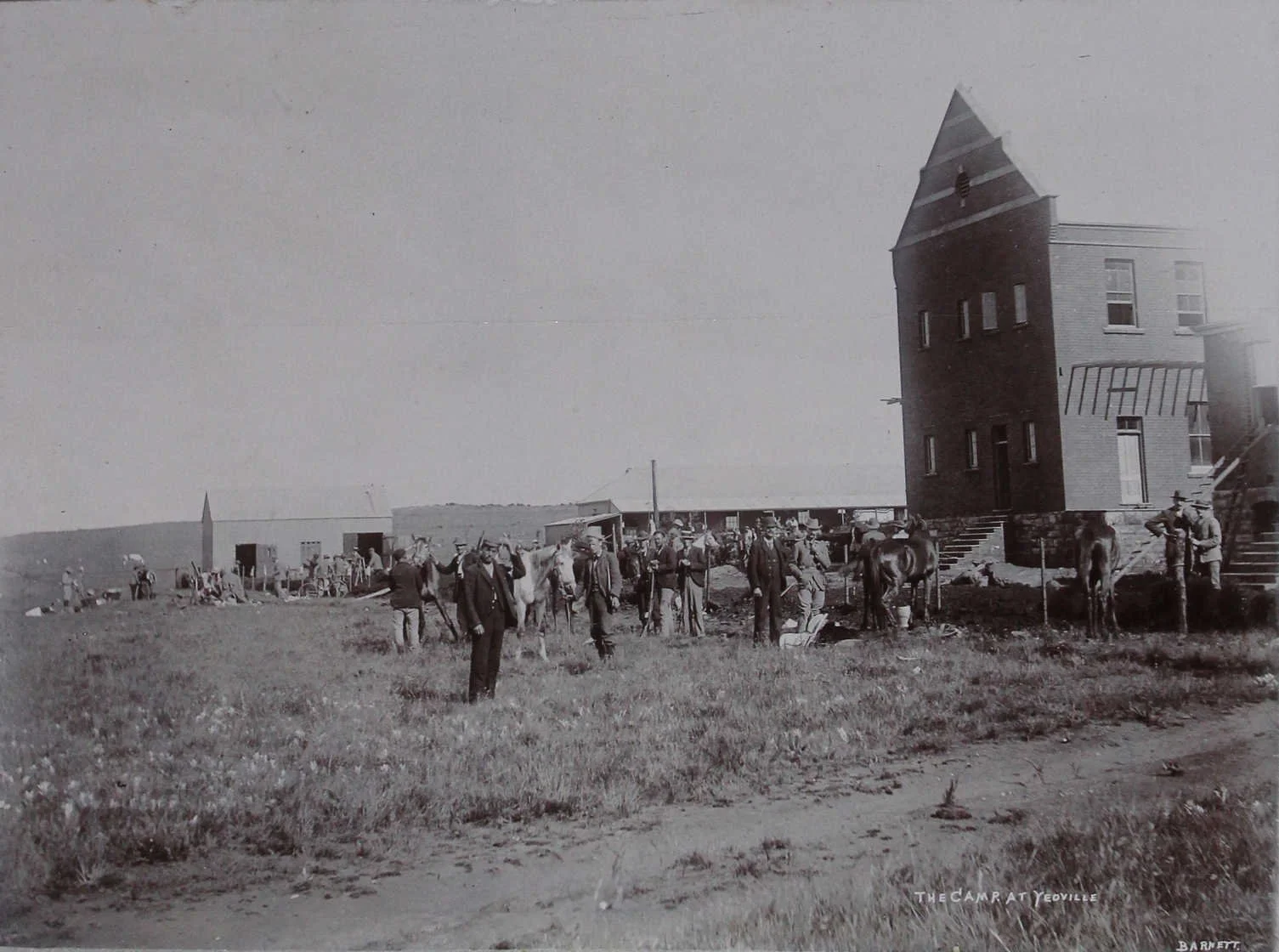
Copyright: The Collection of the Parliament of South Africa. Used with permission. Ref nos: 19532 (17): 24690 (91): 30816 (44): 36921 (55 & 106).
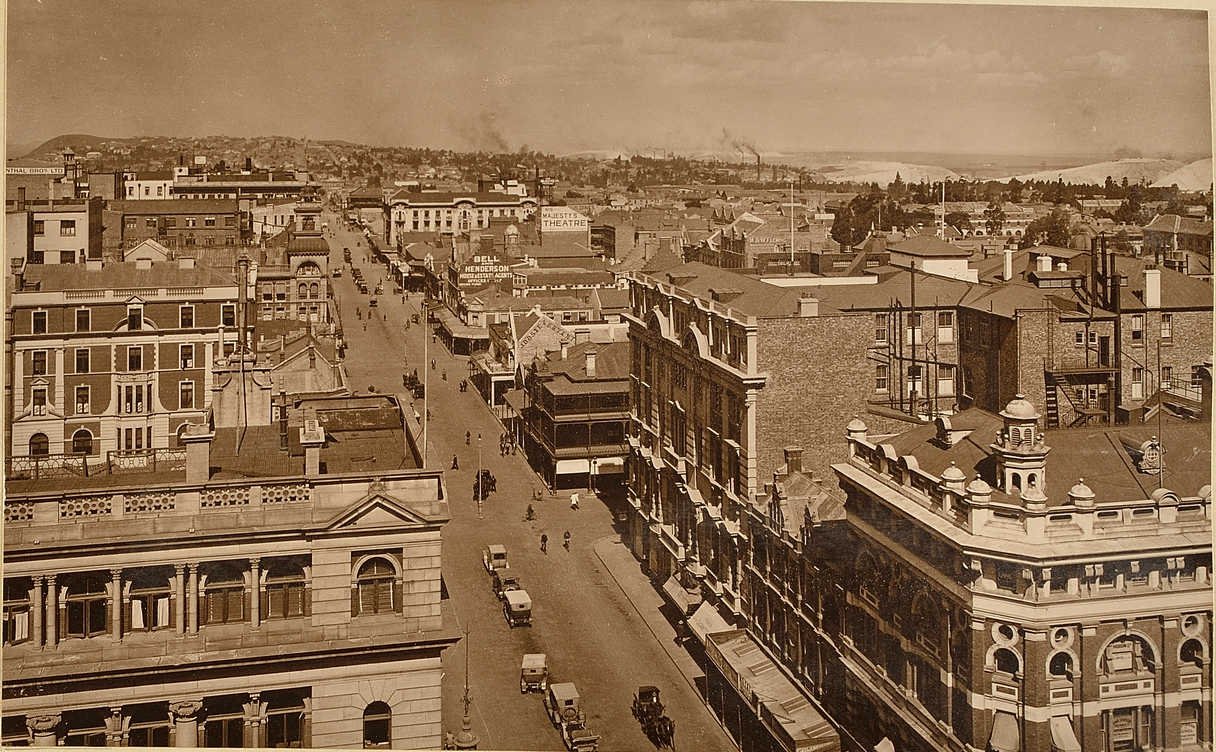
Copyright: The Collection of the Parliament of South Africa. Used with permission. Ref nos: 19532 (17): 24690 (91): 30816 (44): 36921 (55 & 106).

francois-maans-OvJUt0cWadw-unsplash
hennie-stander-8O-KFfIBqcM-unsplash

hennie-stander-a12zs4ivfeE-unsplash
hennie-stander-Gy_nY0LqFsw-unsplash

hennie-stander-H2h1zDka8xw-unsplash

hennie-stander-hbm5k4opPNg-unsplash
hennie-stander-kJmKKjQP-IA-unsplash

hennie-stander-PJMX6XGBILE-unsplash
hennie-stander-Vov8C_SOqIE-unsplash

hennie-stander-yyJLG20fQoY-unsplash
hush-naidoo-jade-photography-1eADFOn_e3o-unsplash

ingo-stiller-LapXnvYwwy8-unsplash

ingo-stiller-qC22i9iIHIk-unsplash
karabo-mdluli-9h4nXXCCF-k-unsplash
karabo-mdluli-A63TOdBxx_Y-unsplash
keenan-constance-lAjPSof6X_o-unsplash

kwena-mashale-4fuxawe-lAE-unsplash
simon-hurry-LuiwD6fnKM8-unsplash

simon-hurry-z5peIStv41Y-unsplash
steffen-lemmerzahl-iAsUCcNUpGI-unsplash
andrei-castanha-Ez5nTQPGa2k-unsplash

hush-naidoo-jade-photography-ACR9Mc8n_44-unsplash
hush-naidoo-jade-photography-XZDzJqnN6-Q-unsplash
hush-naidoo-jade-photography-_12yhUtwvnQ-unsplash
hush-naidoo-jade-photography-1eADFOn_e3o-unsplash
Mystery Man “Necklaced” in Hillbrow
By Clyde West
10/05/1993
Despite calls from political and religious leaders across the political divide, the “necklacing” of political enemies and suspected “collaborators” continues unabated.
The latest gruesome necklacing—where a petrol-filled tyre is wrapped around a suspected informants’ neck and then ignited—happened overnight in an abandoned lot on Kotze Street, in Hillbrow, Johannesburg, this just a day after the necklacing in broad daylight of a child on Pretoria Street in Hillbrow.
At least a dozen children, some as young as 9, have been found necklaced this year. But whereas the necklacing has been contained to the townships since the grisly practice began, these latest necklacings in Hillbrow opens what Brigadier Piet van der Linde of the Brixton Murder & Robbery Squad said was a, “New and dangerous escalation of what was once township-only terrorism and is now spreading into white areas, too”.
Official statistics are difficult to come by, but officials say there have been roughly 600 necklacings in South Africa since the practice began in 1985 in the Cape Province city of Uitenhage.
That first instance—known then as “Kentucking” after the American fast-food chicken outlet—occurred when Kwanobuhle Township councilman, Ben Kinikini (57), refused to resign his position in response to actions by the security police, and was subsequently caught by a mob as he tried to flee with 5 members of his family.
His daughter had both her arms amputated and his son was castrated before all 5 were killed with pangas and then set alight when a TV crew chanced upon the scene.
It would be less than six weeks later when “Kentucking”—where dead bodies were set alight—would evolve into necklacing, where live victims are immolated.
Brigadier van der Linde noted that the “necklace” was a strictly South African phenomenon, designed to instil terror and as a form of retribution against political opponents.
“It also seems to be connected to ‘muti’ practices,” van der Linde said. Muti is traditional medicines that are alleged to give soldiers extra powers during battle.
In April of 1986, recently-released ANC leader Nelson Mandela’s wife, Winnie Madikizela-Mandela, told a crowd at a rally that, “We have no guns—we have only stones, boxes of matches and petrol. Together, hand in hand, with our boxes of matches and our necklaces, we shall liberate this country.”
In September of 1987, the two men who were found guilty of the murder of Ben Kinikini and his family—Moses Jantjies (21), and Wellington Mielies (24)—were both hanged in Pretoria Central Prison.
The victim found in the parking lot in Hillbrow this morning has not, as yet, been identified.
Brigadier van der Linde said, “The body burnt for hours before it was discovered, and we’re not able to find any identifying features. If anyone has any information, please contact the Brixton Murder and Robbery Unit.”
Brigadier van der Linde also noted that it was an odd occurrence that the body was immolated in a lot in the middle of the night, as necklacing was generally done for the benefit of TV cameras.
“It may have been a failed necklacing,” van der Linde noted, “or a murder gone wrong. We’re exploring multiple angles.”
Footnote to this special report.
Our reporter, Mr Clyde West, was assaulted hours after filing this story and is currently in an induced coma in an undisclosed Johannesburg hospital.
Police have not ruled out the possibility that Mr West’s reporting was unrelated to his brutal assault.
Light Plane Crashes into Bobby Locke Place
By Clyde West, Pete Tshwane
18/12/2006
On Monday night, during what investigators are calling one of the strongest storms to hit the Highveld in decades, a Piper Cherokee 150 light aircraft crashed into Bobby Locke Place, a four-storey residential block of flats in Yeoville, central Johannesburg.
No one in the building, on the corner of Harley and Hendon streets, was badly injured. Two tenants were treated at the scene for minor cuts and bruising by the emergency services.
The pilot, believed to be a 32-year-old Botswana resident and flight school student at Rand Airport, died on impact. His identity has not yet been released.
Sergeant John Molefe of the Yeoville Police Station stated that the pilot was believed to have been flying back to Lanseria Airport at the time of the accident.
Neither Lanseria nor Rand Airport officials were willing to give a statement until they were cleared to do so by the Civil Aviation Authority (CAA) who were on the scene hours after the accident.
The building and the immediate vicinity were doused in “Firefighting Foam” (PFAS) as much of the building’s garage and the street outside was covered in highly flammable aviation fuel.
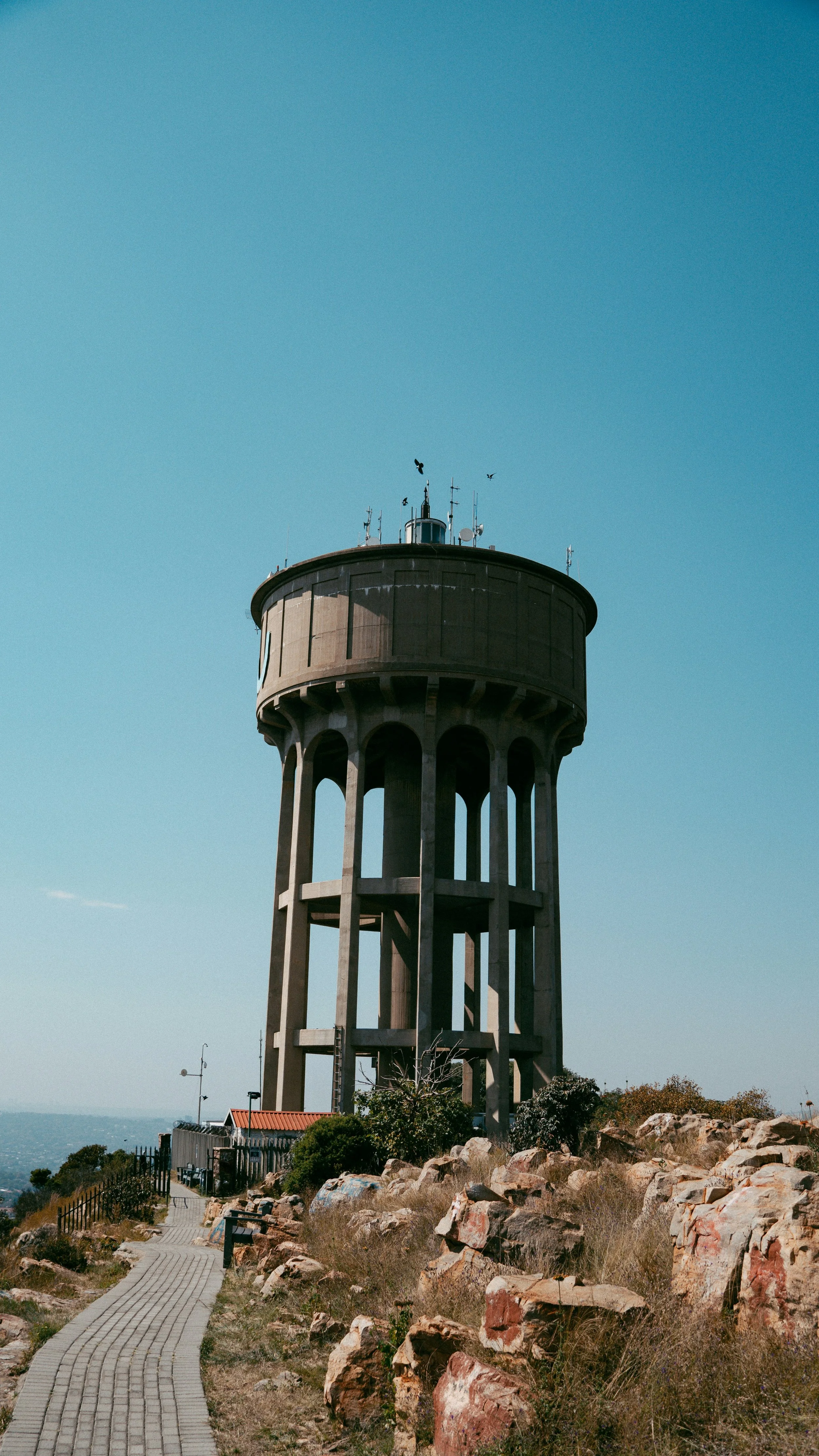
Sergeant Molefe said the plane appeared to be flying from the south of Johannesburg toward Lanseria when, passing over the water tower in Yeoville, the pilot lost control and hurtled into the building.
There was lightning and a powerful storm raging when the aircraft crashed into the ground floor of the building, ripping itself apart, as residents watched in horror.
The wreck of the plane could still be seen where it came to rest, mostly inside the basement parking garage, some hours later. Debris was also seen in trees, and the wing had shattered into a parked bakkie.
CAA accident investigator Thembo Radebe, speaking from the scene, said: “It seems as if the pilot was caught in a severe downdraft that pushed him down into the ground. As any experienced pilot will tell you, you never fly into a storm, especially in a light aircraft, because once you’re in, you don’t get out. But investigations remain at a preliminary stage.”
“I heard the lightning and then saw the plane fall from the sky,” said Esther Kumalo, a long-time resident of the building. “Mr Bobby would have been so angry,” she added, referring to world-famous golfer Bobby Locke who once owned the block of flats.
“I was sleeping when I heard engine sounds and then there was a big explosion,” said a resident who didn’t want to be identified and whose windows on the first floor were blown in by the impact. He was treated at the scene for minor cuts.
This is the second tragedy to have struck the building in the last six years, after the violent events of September 2000 that claimed the lives of two residents in the flats.
Tobias Zuma, who has been a caretaker and handyman at the building for almost 30 years, said: “I can’t believe it happened here again. It’s almost like we’re cursed.”